I’m so excited; I can’t keep it quiet for much longer.
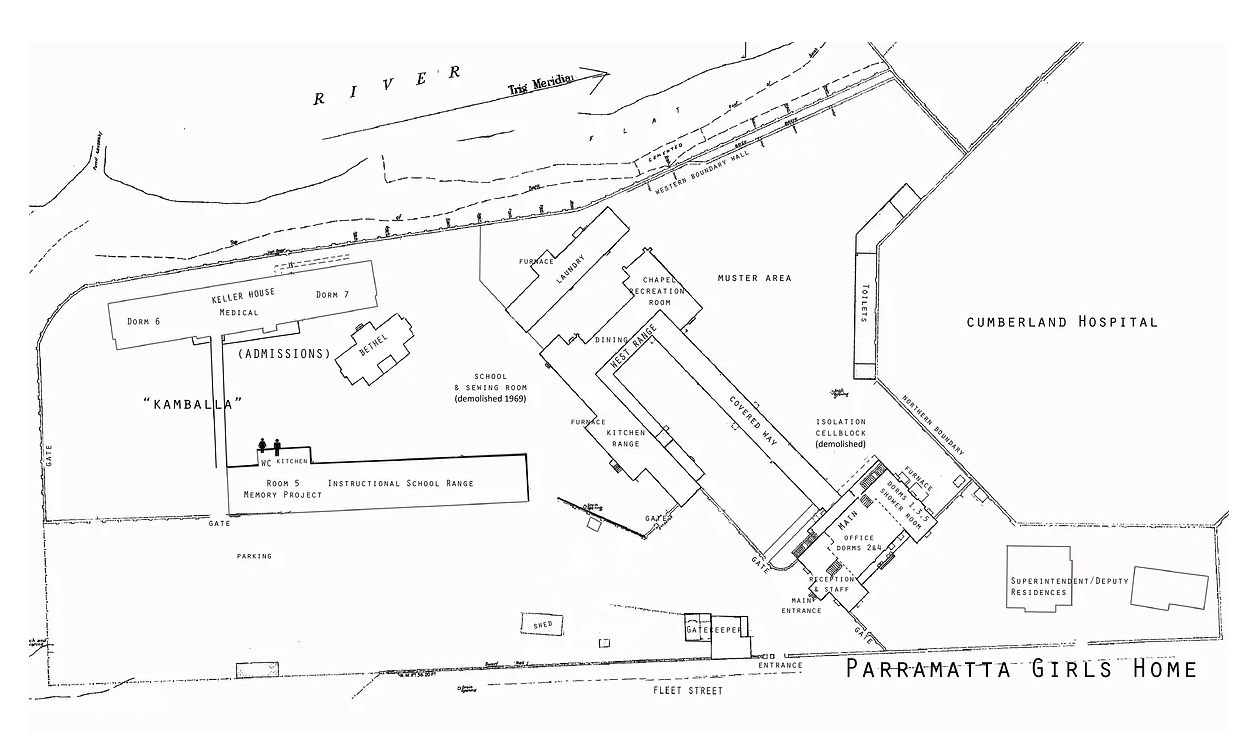
Recently, I was approached by an amazing 92-year-old lady, Ivy. She asked me to write about her life—and what a life she had. But more importantly, she wanted me to write about her time in Parramatta Girls Training School (Parramatta Girls Home) during the 1940s when she was known as only 55. Later Ivy shared her experiences for the Forgotten Children review and finally the Royal Commission into Institutional Child Abuse. Wow!!
Ivy spent a weekend at my place chatting and recording her life story. Over the course of the weekend, I realised this project would be a love story—that’s what kept her going and that’s what she found with a wonderful man for over sixty years.
My research has uncovered some dreadful miscarriages of justice.
“The resistance to any suggestion of outside scrutiny or interference in operations, the resort to coercion as the standard response to rebellious behaviour, and the fact that delinquents in institutions, especially girls, were often ill-treated and punished illegally.”
Peter Quinn, January, 2004
In ‘UNENLIGHTENED EFFICIENCY’:
THE ADMINISTRATION OF THE
JUVENILE CORRECTION SYSTEM
IN NEW SOUTH WALES 1905-1988
It is an understatement that the treatment of children in care was deplorable. However, one of the many revelations Ivy shared was how girls came to be incarcerated (including Ivy).
And the disparity between girls’ institutes and boys’ institutes was abominable.
“At Parramatta, girls were not issued with brassieres, and briefs were made from unbleached calico, apparently so that they could be boiled, and so be used interchangeably between inmates.”
Peter Quinn, January, 2004
I guarantee it will be a great read—one that will expose the truth—inspirational and heartfelt.
Look out for more updates as the project progresses.
 Eila Jameson-Avey